You know that feeling when you end up somewhere you hadn’t planned, take a wrong turn, and find the best bar you’ve ever been to? That’s Budapest. It’s a city built for people who like to explore—who don’t just want to see things, but find things.
Sure, Budapest has the castles, bridges, and all the pretty views you’d expect from a European capital. But what makes it special is everything hiding underneath. It’s got layers—some messy, some magical—and if you’re the kind of person who likes to go beyond the usual, you’re going to fall hard for this place.
Not Just Another Pretty Capital
On the surface, Budapest is beautiful. But get past the postcard stuff, and the real city starts to show itself. We’re talking rusted factory buildings turned into art studios, Soviet-era bunkers hidden in hillsides, and long-forgotten courtyards where locals still hang out drinking spritzers on plastic chairs.
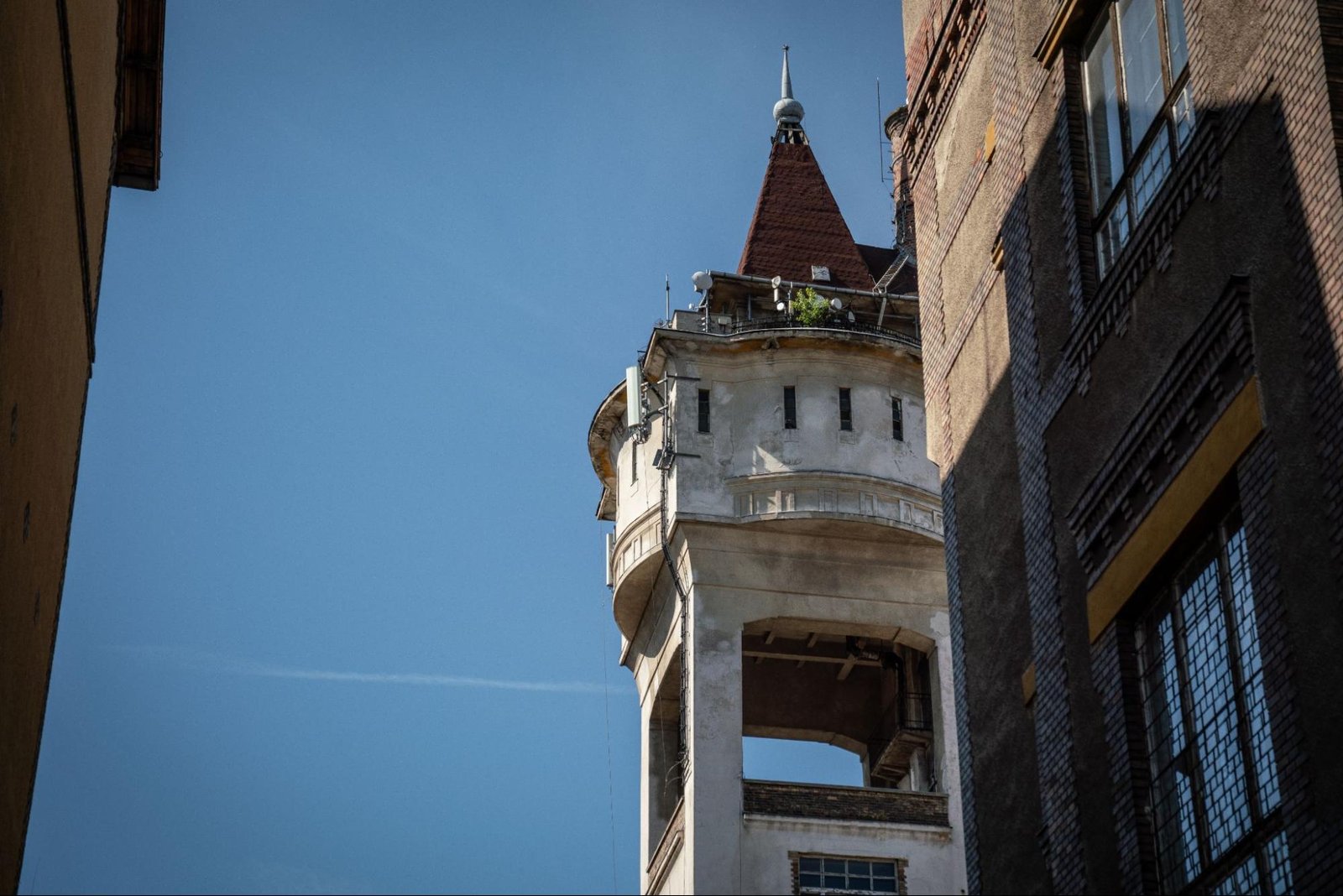
It’s that weird mix of East and West that gives Budapest its edge. You’ll see it in the architecture—crumbling concrete blocks next to freshly painted cafés—and you’ll feel it in the vibe. It’s not trying to be polished. And that’s exactly the point.
The 8th District: Rough Around the Edges, Full of Life
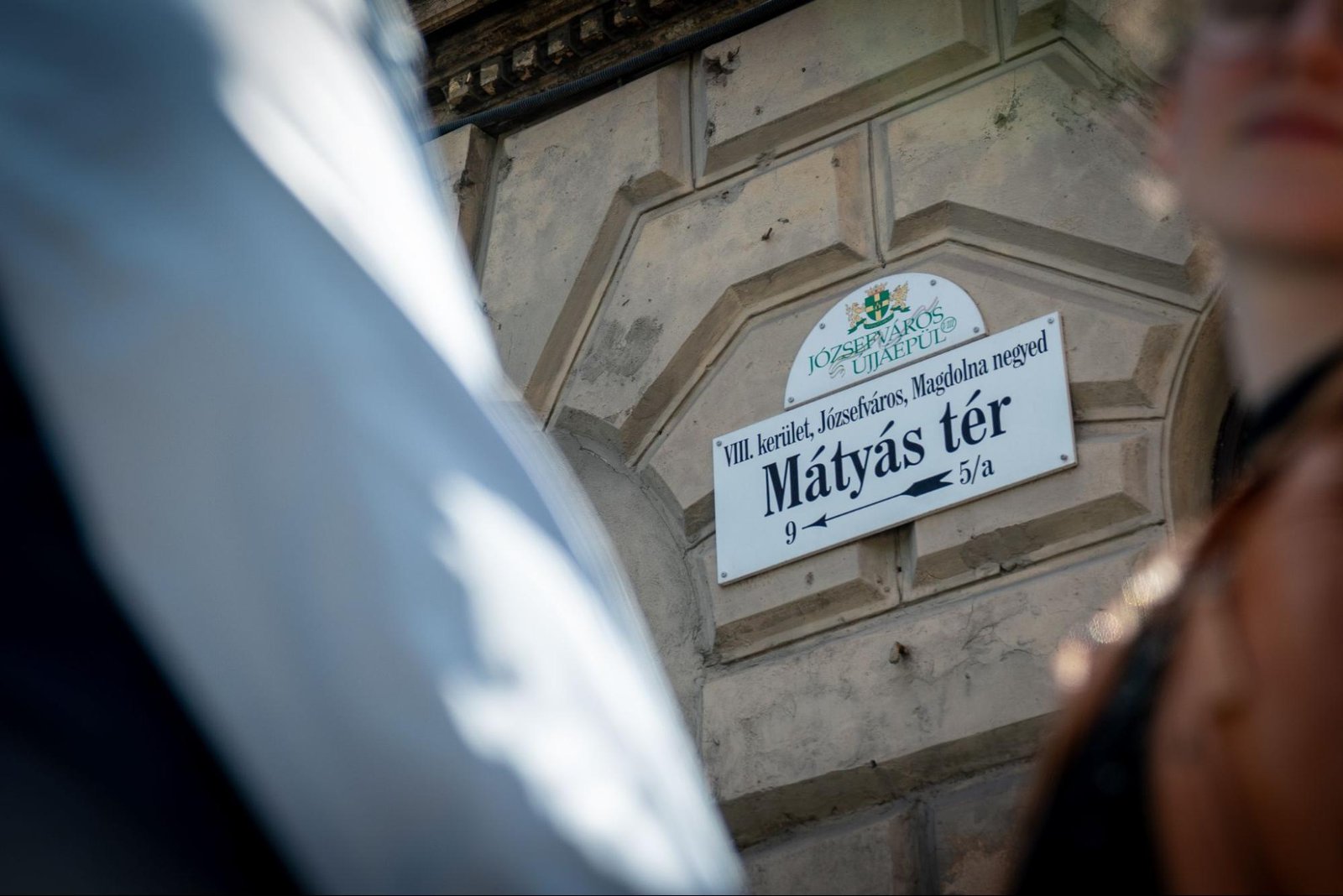
If you really want to get a feel for Budapest, head to the 8th District (Józsefváros). A few years ago, it had a bit of a rep—crime, poverty, the kind of place locals warned you about. But now? It’s where things are happening.
You’ll find colorful murals splashed across old buildings, local food joints run by multi-generational families, and cafés that double as community hubs. The 8th hasn’t been sanitized yet, which means it still feels real. Artists live here. Activists organize here. Students, immigrants, lifelong residents—they all shape this part of the city, and it shows.
And just to be clear: this is not the Jewish Quarter. That’s District 7—already taken over by backpackers and stag parties. The 8th is for people who want to see what Budapest is becoming, not just what it was.
From Abandoned to Alive: Budapest’s Creative Spaces
Here’s the thing: Budapest has a lot of empty buildings. Old factories, warehouses, Soviet leftovers. But instead of tearing them down, people are turning them into something new.
One of our favorite examples is aqb Project Space, set in a massive old industrial complex. It’s part artist residency, part gallery, part… whatever it wants to be. You can walk in on a Saturday afternoon and stumble into a surreal art installation or a conversation circle that turns into a DJ set. It’s raw, open-ended, and way more exciting than a museum.
These kinds of spaces are scattered across the city. You’ll find experimental theater in an old bathhouse, feminist art shows in parking garages, and workshops in places with no Google listing. If you like your culture a little off-center, you’re in the right place.
Budapest After Dark: Gritty, Loud, and Addictive
At night, Budapest turns into something else entirely. Sure, you could go sip overpriced cocktails in a rooftop bar downtown—but if you want to see what the city really sounds like, head to the outskirts.
Places like
Arzenál
and
Echo Club
aren’t clubs—they’re experiences. Industrial spaces with concrete floors, lasers cutting through fog, and bass that rattles your chest. No bouncers judging your shoes. No overpriced drinks. Just pure energy and a dance floor full of people who came to move.
It’s not for everyone — but if it is for you, you’ll probably be talking about it for a long time.
Cold War Relics and Urban Legends
One of the wildest things about Budapest is how much of its history is just… sitting there. Not behind ropes or in display cases, but out in the open.
Like the Hospital in the Rock—a former emergency hospital and nuclear bunker built into the side of Castle Hill. It’s part museum, part time capsule, and it gives you serious Fallout vibes.
There are also old military bunkers hidden in the Buda Hills, weird tunnels that show up on urban explorer maps, and other Soviet-era leftovers that aren’t exactly tourist attractions—but definitely feel like discoveries.
Speaking of the Danube—yes, you can kayak on it. Or if paddling isn’t your thing, head to one of many chill riverside spot around the city landscape.
Green Spaces, Sunset Spots, and Free Adventures
Budapest isn’t just about the gritty stuff. It’s also a great place to chill—especially if you know where to go.
Take Gellért Hill, for example. Grab a bottle of bubbly, hike up with some friends, and watch the sun set over the rooftops. The whole city lights up, and it’s completely free.
Or hop on a bike and ride around Margaret Island—a car-free island in the middle of the Danube that somehow feels like a mini jungle. You’ll find quiet paths, strange ruins, and locals jogging or napping in the grass.
Speaking of the Danube—yes, you can kayak on it. Or if paddling isn’t your thing, head to a chill riverside spot like Kabin where you can lounge in the sand with a beer and watch boats go by. It’s Budapest’s answer to the beach, and it’s got that perfect mix of laid-back and slightly weird.
So Why Budapest?
Because it’s unpredictable. Because it hasn’t been polished for mass tourism (at least not entirely). Because it rewards people who are willing to go a little further, ask a few more questions, and take the side street instead of the main road.
It’s the kind of city where you might wake up with no plans, and end up kayaking, wandering through a forgotten cemetery, or dancing in a former train yard until sunrise. A place where conversations with strangers turn into dinners, and one wrong turn can lead to your new favorite spot.
If you’re the kind of traveler who likes a bit of chaos with your charm, and who prefers local noise over picture-perfect silence—Budapest is waiting.