Vienna’s Other Side: Grit, Wine, and the Weird Stuff
You probably already know the usual Vienna story: Mozart, coffeehouses, chandeliers, horse-drawn carriages. And yeah, that all exists—Vienna is beautiful, classical, and weirdly clean for a city its size.
But if you stop there, you’re missing the good stuff.
Because underneath the baroque surface is a city that’s full of oddities, secrets, and low-key rebellion. Vienna doesn’t shout about its alternative side—it just lets it simmer. You have to be the kind of person who follows back alleys, enters courtyards that don’t look public, and listens when a local says,
You probably already know the usual Vienna story: Mozart, coffeehouses, chandeliers, horse-drawn carriages. And yeah, that all exists—Vienna is beautiful, classical, and weirdly clean for a city its size.
But if you stop there, you’re missing the good stuff.
It starts with a feeling
You probably already know the usual Vienna story: Mozart, coffeehouses, chandeliers, horse-drawn carriages. And yeah, that all exists—Vienna is beautiful, classical, and weirdly clean for a city its size.
But if you stop there, you’re missing the good stuff.
Because underneath the baroque surface is a city that’s full of oddities, secrets, and low-key rebellion. Vienna doesn’t shout about its alternative side—it just lets it simmer. You have to be the kind of person who follows back alleys, enters courtyards that don’t look public, and listens when a local says, “don’t Google it—just go.”
And that’s where Vienna gets interesting.
A City Built on Contradictions
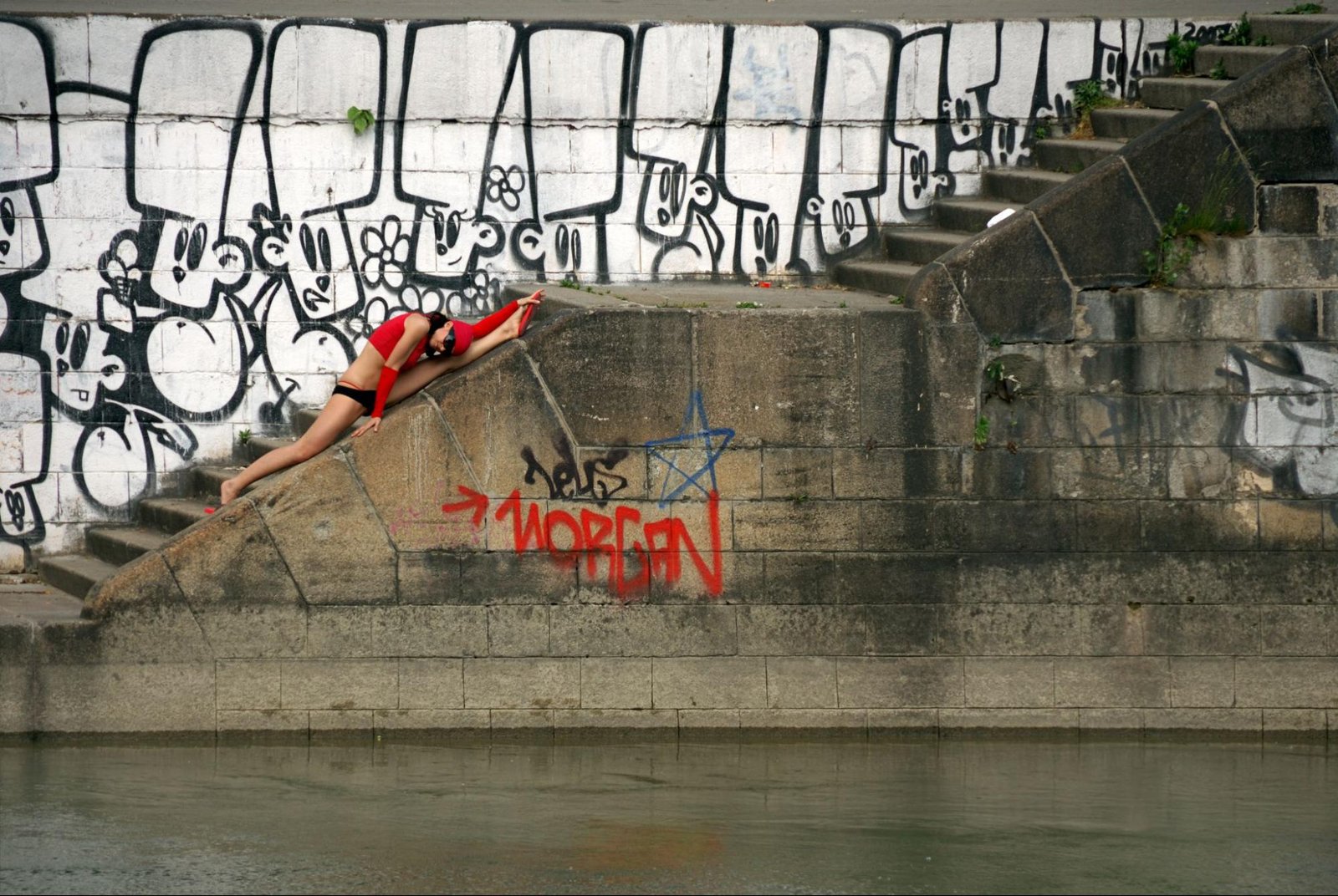
Vienna is one of those places where history and counterculture exist in the same breath. One block might feel like a Wes Anderson movie—perfectly symmetrical façades, pastel walls, vintage signage. The next is a riot of graffiti, crumbling walls, and a Serbian grill pumping Balkan beats onto the sidewalk.
It’s also a place where you can visit a wine tavern run by the same family for 200 years… and 15 minutes later, be at a techno party under a bridge.
And that’s not even a metaphor.
Welcome to the Underground (Literally)
Vienna has some wild spaces if you know where to look.
Take WUK, for example—a giant cultural center inside an old train factory. It’s the kind of place that never really turns off. In one room there’s a feminist zine fair. Down the hall, a kids’ circus class. And out back, a punk gig that ends with people dancing under string lights and climbing into a treehouse for a smoke.
Then there’s Das Werk, which feels like a nightclub held together with zip ties and paint fumes. And Grelle Forelle, with its no-photo policy and tunnel-vibes entrance, where the bass practically reshapes your organs.
None of this is on the official tourist map. Which is exactly why it’s worth finding.
History Isn’t Always Pretty—And That’s the Point
Vienna’s past isn’t all music halls and Habsburgs. Some of it is dark. Strange. A little haunted.
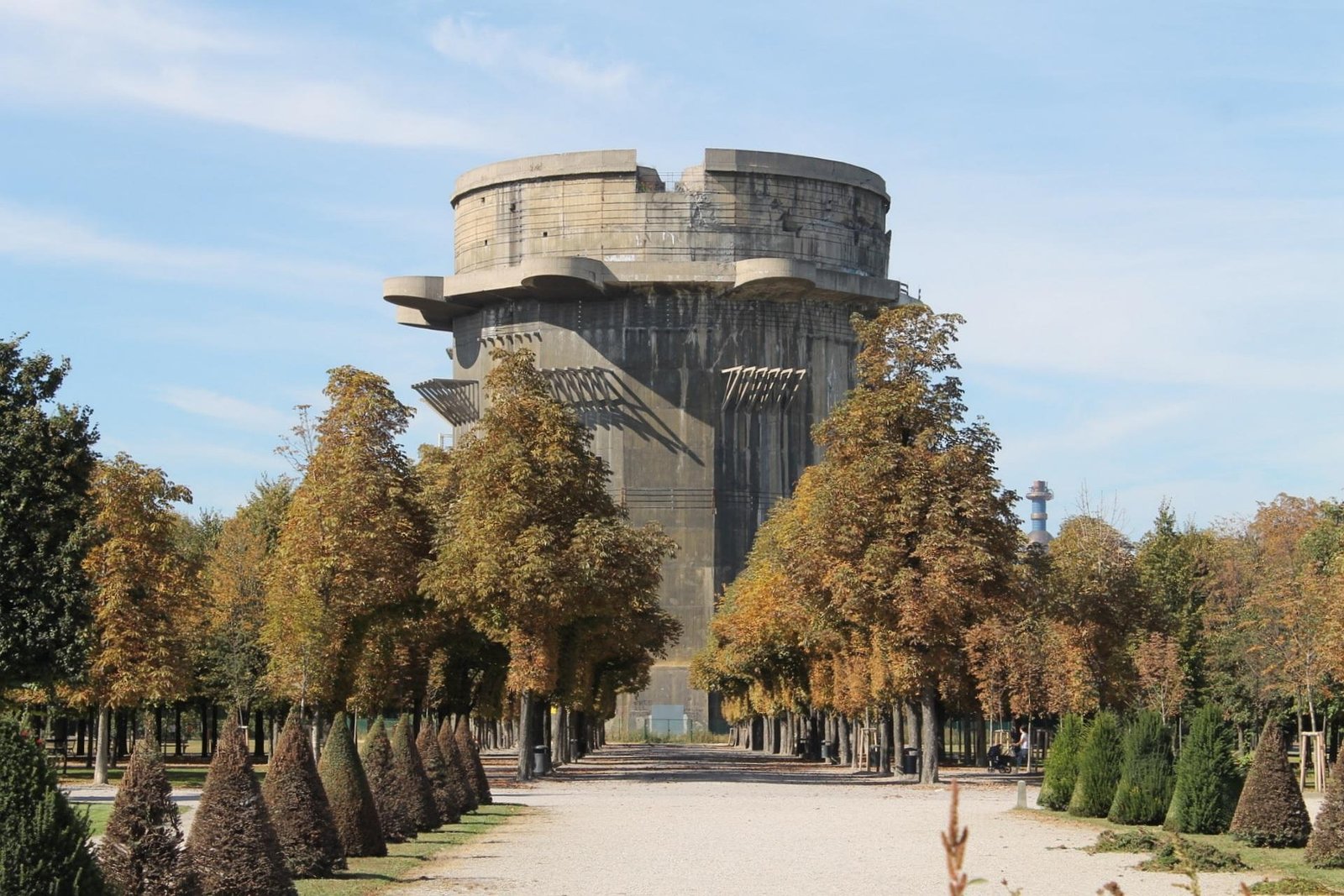
Like the Flaktürme—brutalist WWII anti-aircraft towers looming out of city parks like concrete monsters. Or the Narrenturm, once a hospital for the mentally ill, now a museum of medical oddities that will absolutely stick in your brain longer than any Klimt painting.
And don’t forget the cemeteries. Zentralfriedhof is one of the biggest in Europe—and weirdly peaceful. Parts of it feel like a decaying sculpture garden. Others, like a nature reserve. And deep inside? Whole corners forgotten by time, with ivy growing over cracked tombstones and birdsong echoing through the overgrowth.
Markets, Turkish Bakeries, and That Perfectly Weird Lunch
Forget fancy food tours. Just spend an afternoon wandering around Brunnenmarkt. It’s loud, chaotic, a little unhinged—and amazing.
Spices from Istanbul, fresh-baked simit, second-hand tools, vinyl records, VHS tapes, and the best falafel you’ll ever eat for under five euros. This market doesn’t care about trends. It’s just doing its thing—and that thing rules.
Nearby, the 16th district is full of no-frills bakeries, hole-in-the-wall Balkan joints, and streets that make you feel like you’ve stepped into a different continent. It’s not “curated”—which is why it’s so good.
When Nature Gets Weird
Vienna has a ridiculous amount of green space. But the best parts aren’t the manicured gardens. They’re the messy bits.
Like the Danube Canal, where every inch of concrete is covered in graffiti, and locals hang out on the banks with portable speakers, cheap beer, and sometimes a stray dog or two.
Or Donauinsel, an artificial island that’s part beach, part forest, part party spot—depending on which stretch you hit.
You can hike in the Vienna Woods, drink fresh wine at a heuriger, or just lie in the grass on Kahlenberg with a view of the whole city and zero crowds.
It’s easy. It’s free. And it’s full of small, weird moments that stick with you.
Vienna Isn’t Flashy—It’s Personal
What makes this city so compelling isn’t a single monument or museum. It’s the way it quietly lets you in.
It’s the late-night bike ride along the canal with no plan. The guy at the bar who tells you about a hidden bunker party “somewhere near Prater.” The squat café where the espresso tastes better than any 5-star brunch place. The flea market where you find an old Soviet pin and a cassette tape labeled “Strange Austrian Love Songs.”
Or Donauinsel, an artificial island that’s part beach, part forest, part party spot—depending on which stretch you hit.
You can hike in the Vienna Woods, drink fresh wine at a heuriger, or just lie in the grass on Kahlenberg with a view of the whole city and zero crowds.
Vienna’s not trying to win you over. It doesn’t have to. It just is. And if you’re into slow burns, weird corners, and cities that feel like secrets—you’ll probably end up staying longer than you planned.